

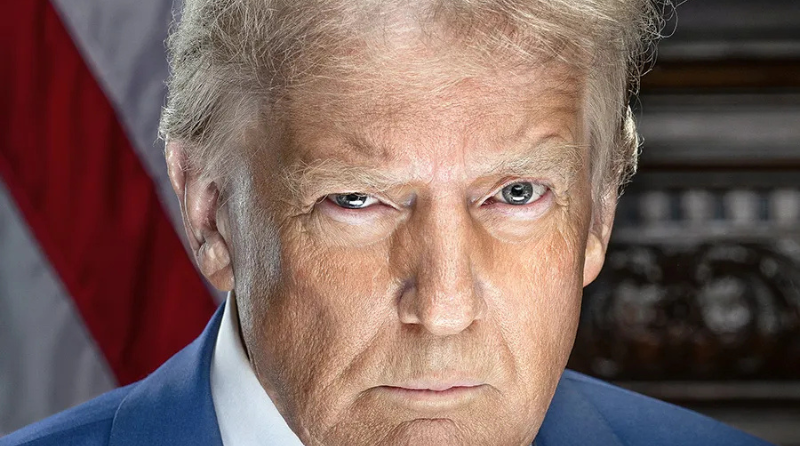
U.S. President Donald Trump intensified pressure on Iran Tuesday, warning that “a whole civilisation will die tonight” as a self-imposed deadline approached for Tehran to reopen the Strait of Hormuz, a critical global shipping route.
The warning came amid escalating military activity across the region. U.S. forces conducted overnight strikes on Iran’s strategic Kharg Island, focusing on military targets and deliberately sparing the island’s crucial oil export infrastructure, according to officials. Iranian state media reported that most of the energy facilities at the vital export hub remained intact and operational, even after explosions were heard across the island.
At the same time, Israel expanded its campaign, striking railways and bridges it alleged were used by Iran’s Islamic Revolutionary Guard Corps to transport weapons and personnel. Israeli Prime Minister Benjamin Netanyahu emphasized that the operations were not aimed at civilians. Iranian reports, however, indicated casualties following at least one strike on a railway bridge.
Iran’s Revolutionary Guard signaled a broader response if U.S. actions escalate further, warning it could retaliate beyond the region and disrupt oil and gas supplies for years. Officials in Tehran also indicated that diplomatic engagement has stalled, with gaps between both sides’ demands remaining unresolved.
Efforts to de-escalate the conflict have faltered. A proposed United Nations Security Council resolution failed after vetoes from Russia and China, underscoring divisions among major powers. Regional actors, including Pakistan and Qatar, have urged renewed diplomacy, though recent attacks across the Middle East have dimmed prospects for a breakthrough.
Meanwhile, global energy markets have reacted sharply. Oil prices surged as supply disruptions linked to the Strait of Hormuz intensified, raising concerns about prolonged instability and its impact on international trade.